
Every plate shop owner knows the plasma routine. The cut comes off the table with slag and dross on the edge, a taper you can feel, and a date with the grinder before anything is fit to assemble. The heat-affected zone warps what it wants to. Consumables — electrodes, nozzles, vortex rings — burn up on a schedule. And when the job needs holes, slots, and a bevel, the part takes a tour of the shop: plasma table, drill, shear, grinder.
None of that makes plasma a bad tool. It makes it an expensive one to run at volume — and it’s why so many shops that cut plate all day are looking at high-power fiber laser. Here’s the honest comparison, from Bodor’s own laser-versus-plasma guidebook and our floor experience selling both sides of this business.
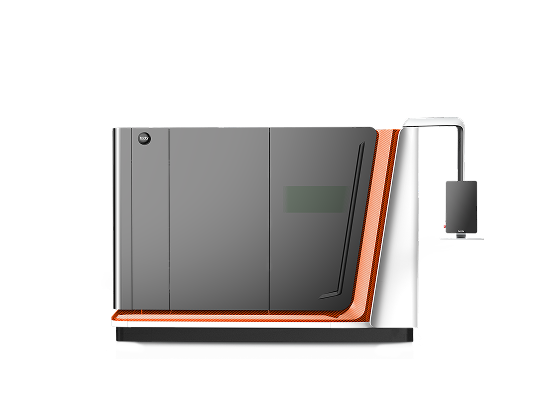
Labor. Bodor’s comparison is stark: the plasma workflow they measured needed three shearing machines with six operators and two drilling machines with four operators to finish the work. A single laser cutting machine with two operators did the same job. Even if your shop’s numbers are half that dramatic, the direction is the point — laser removes steps, and steps are where labor lives.
Speed. On comparable plate work, a 10kW+ laser cuts up to three times faster than plasma in Bodor’s published comparison tables. Faster cutting is not a vanity metric; it’s the same crew shipping more tons per week.
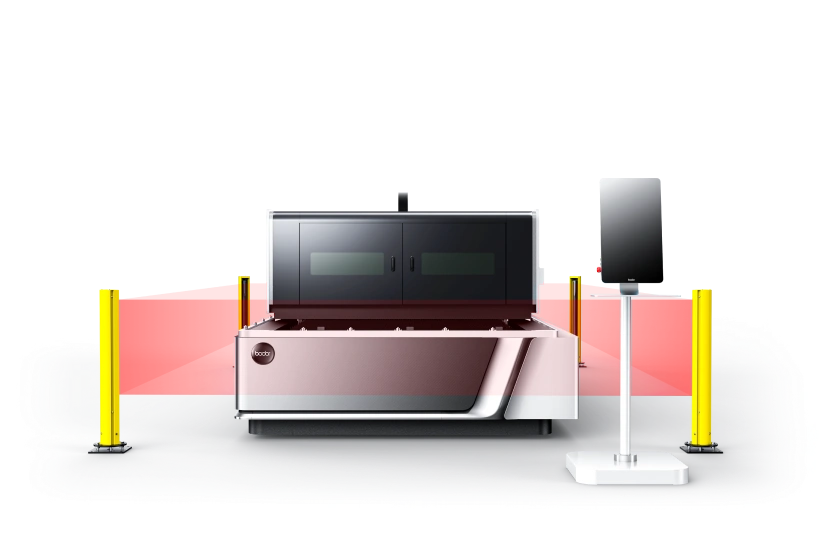
Edge quality. A fiber laser’s heat-affected zone runs about 0.1–0.4 mm. Parts come off smooth and essentially burr-free, with a bevel cut in the same pass — no grinding line between the table and assembly, and less distortion to fight at fit-up.
Operating cost. Plasma’s costs are drip-by-drip: consumables, grinding labor, rework. Bodor’s analysis puts eight years of plasma operating cost at roughly double a 22 kW laser’s operating cost over fifteen years. Your mileage will vary with your mix — but any shop owner can run their own consumables-and-grinding math in an afternoon, and most find the gap is real even when it’s smaller than the brochure’s.
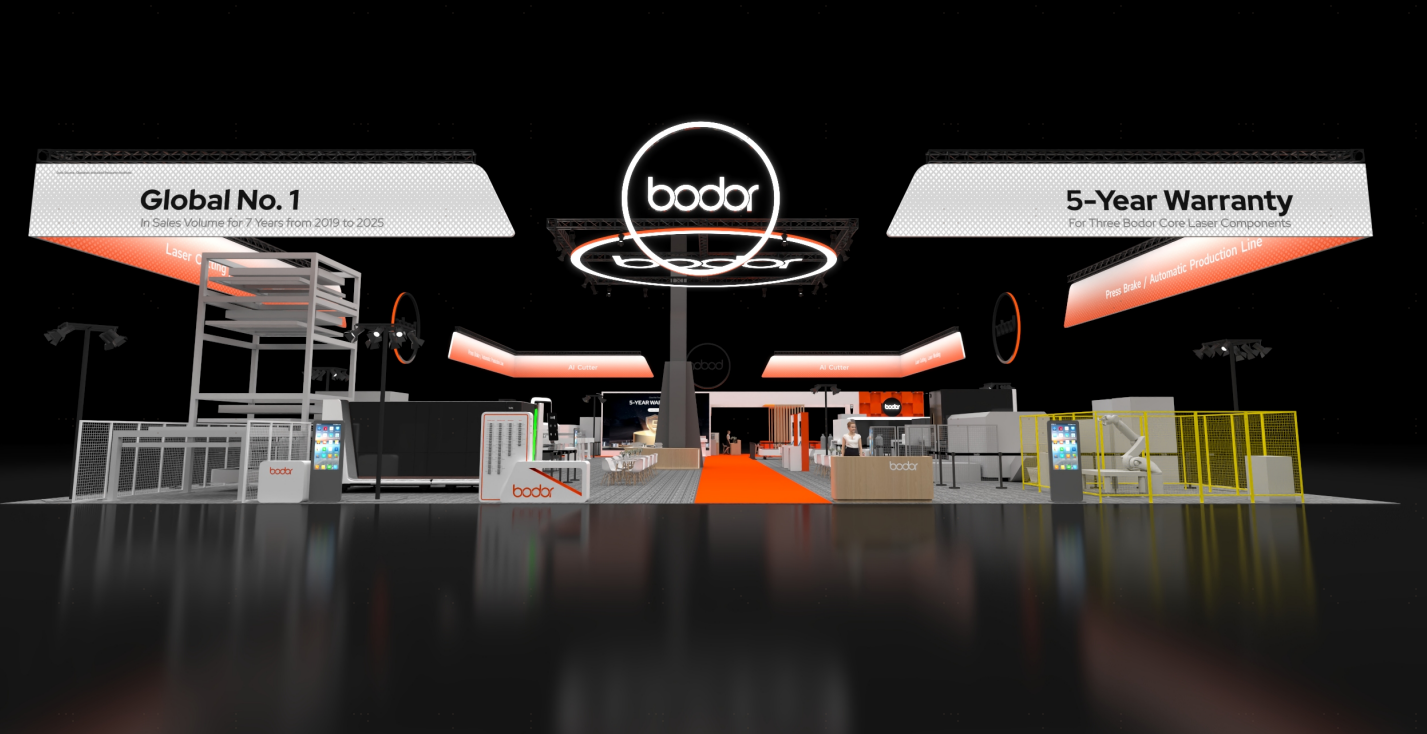
The shop itself. No electrode and vortex-ring waste, an enclosed cutting area with dust extraction, and a noticeably quieter floor than an open plasma arc.
Where plasma still earns its keep. Thick plate beyond a laser’s economical range, field and repair work, and shops whose volume doesn’t justify the capital — plasma isn’t going anywhere, and we’ll tell you so if it’s the right answer for your mix. The crossover question is your thickness range and your weekly volume, and that’s a conversation, not a slogan.
If you cut plate for a living, the Bodor sheet line is worth a look — the X Series high-speed flatbeds and the rest of the lineup are on our site with photos, video, and specs: https://northernmachinerysales.com/bodor-laser/
And a timing note for any equipment decision: machines placed in service by December 31 still catch Section 179 for 2026 — up to $2.56 million deductible, with 100% bonus depreciation in effect as well. Financing is available through Beacon Hill Funding and Stearns Bank. Worth a word with your tax advisor.
Call Arthur at 508-581-9922 ext. 101, or call/text 508-365-8395 — we’ll spec the right power for your plate mix and quote it straight.