
• 12 John Road, Unit F Sutton MA 01590-2507

X

What Actually Kills Insulation Blowing Machines — Five Things We See in Our Shop

Another insulation blowing machine arrived at our Sutton shop today, on a pallet, and a two-minute walk-around showed the same failure patterns we see again and again. If you run insulation crews, this list will look familiar — because most blower breakdowns aren’t bad luck. They’re the same five things, and most of them are preventable.

1. Burned and broken electrical connections.
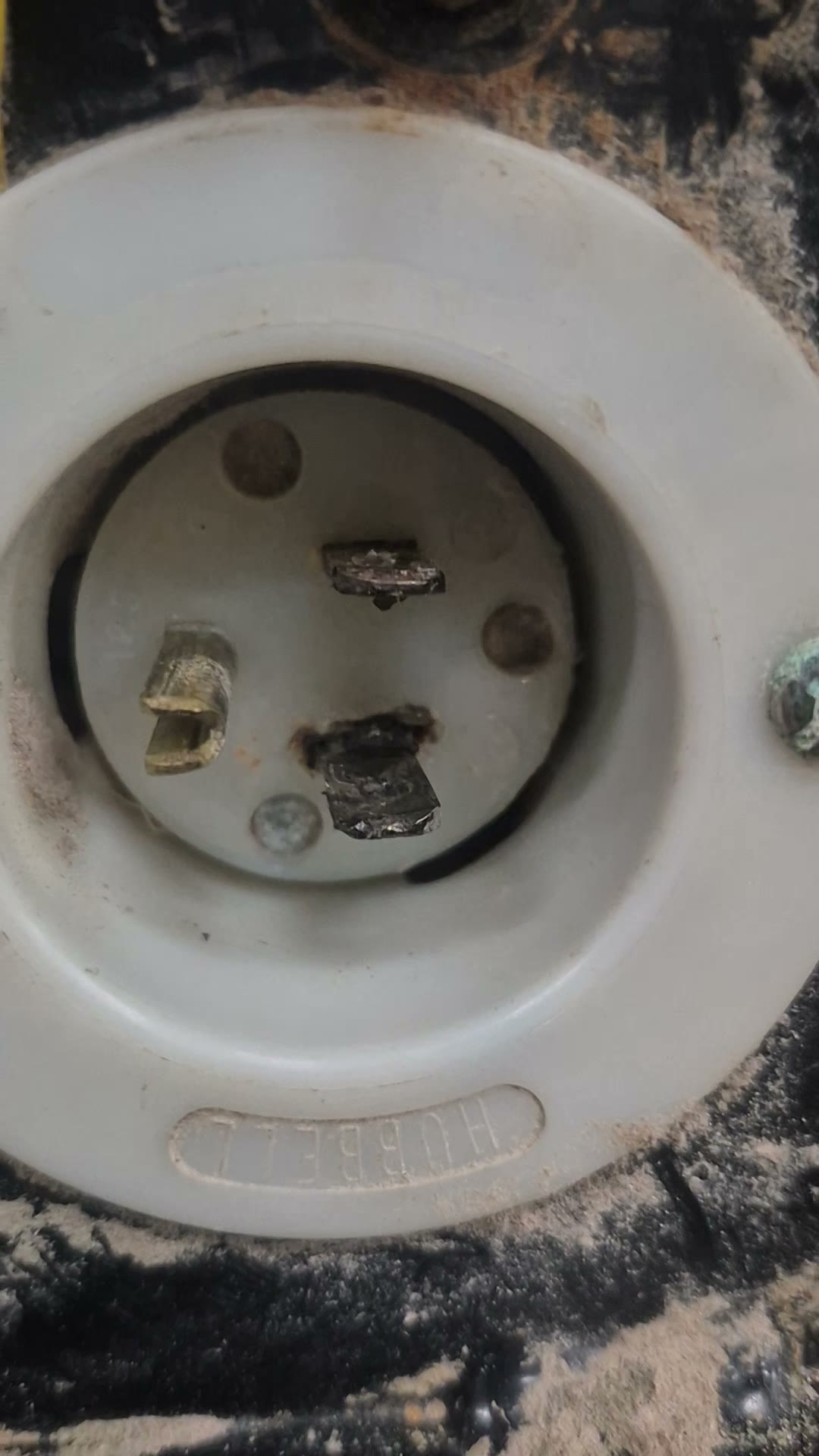
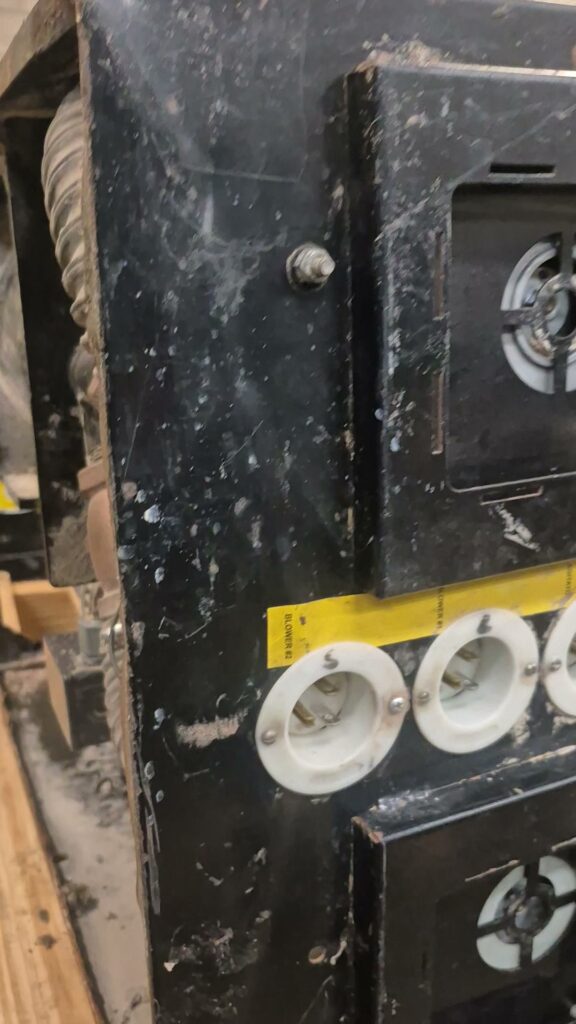
Burned and broken electrical power inlet prongs on an insulation blowing machine

Look at the power inlets on a hard-used blower — one for each blower motor and the agitator — and you’ll often find prongs bent, snapped, or heat-scarred. Loose-fitting plugs arc, arcing burns contacts, and burned contacts strand a crew mid-job. Jobsite cords, adapters, and yanking plugs out by the cord all feed this one.

2. Airlock wear and material buildup.
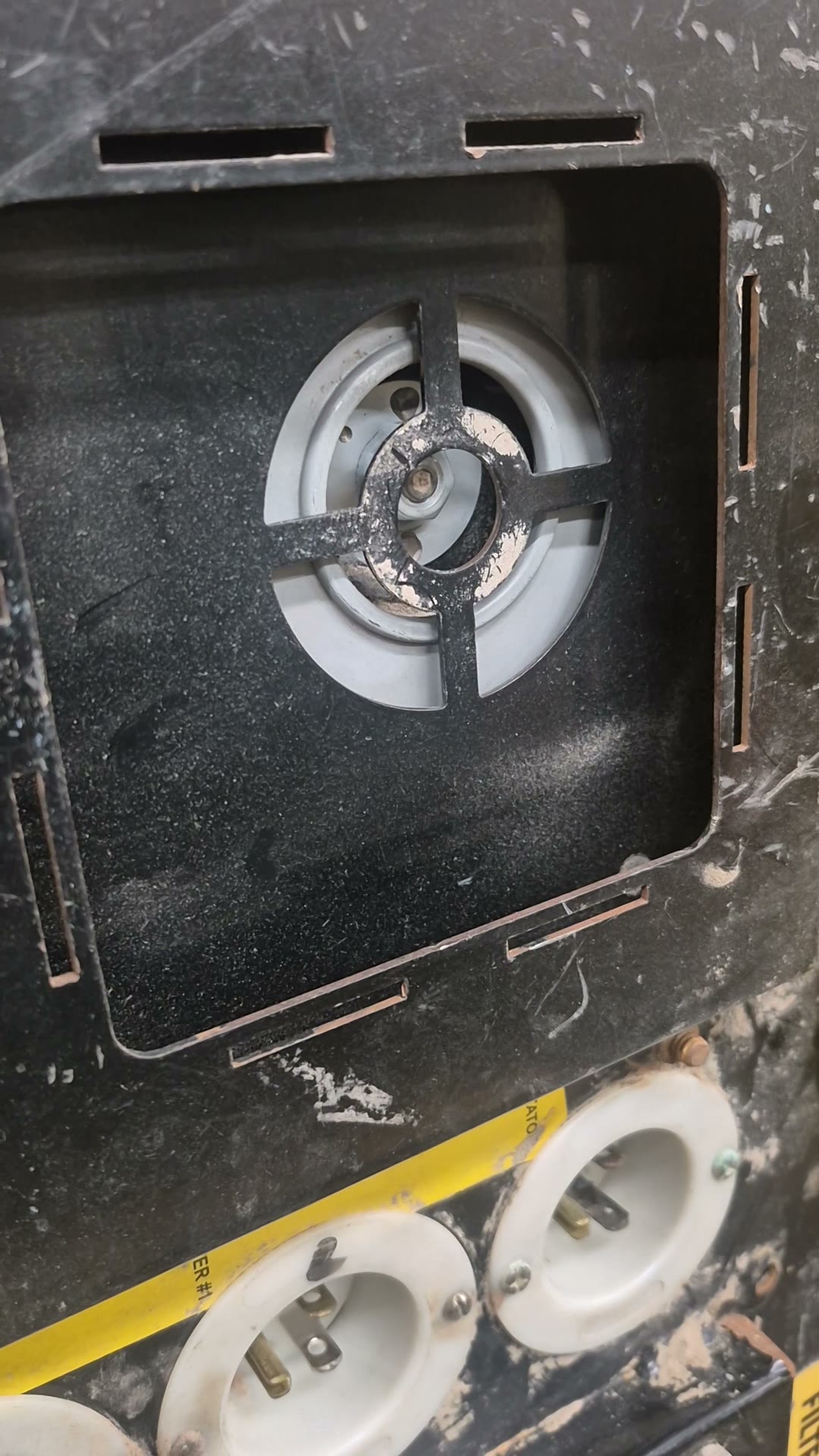
Airlock on an insulation blowing machine caked with material

The rotary airlock is the heart of the machine — it meters material into the airstream. Material cakes onto the star wheel and seals, clearances open up, output falls off, and the machine starts blowing weak and uneven long before it quits outright. By the time it stops feeding entirely, it’s usually been declining for months.

3. Clogged intakes and filters.

Blowers live in the dustiest environment in construction. The caution label on the machine itself warns about keeping the intake air clean — and it’s the single most ignored instruction on the unit. A starved blower runs hot, works harder, and wears everything downstream faster.

4. Corrosion and jobsite wear.

These machines ride in trucks and trailers, sit in damp garages, and get hosed down or rained on. Rusty fasteners, corroded fittings, and tired hoses and couplers are on almost every unit that comes through our door.

5. Skipped maintenance, full stop.

Nearly everything above traces back to the same root: the machine never got cleaned, inspected, or serviced until it stopped. A blower is a production machine — treated like one, with a cleaning and inspection routine, most of these failures never happen.

Why November makes it urgent.

Insulation season is peaking right now. A blower that dies in July is a problem; a blower that dies in November is a crew standing idle in the busiest weeks of the year. If your machine is blowing weak, running hot, tripping breakers, or showing burned plugs, that’s the machine telling you what’s next — get it looked at before it chooses the day for you.

What we do.

Northern Machinery Sales services insulation blowing machines at our Sutton, Massachusetts shop — diagnostics, electrical repair, airlock and blower work, and honest advice on the repair-versus-replace line. We’re also a Cool Machines dealer, so if yours is truly done, we can put a new machine under you instead. For service questions, contact Tony Demaio, who runs our service department: 508-581-9922 ext. 102 · ademaio@northernmachinerysales.net.

Watch for the follow-up: this machine, back together and blowing the way it should.
Read More

Section 179 in 2026: Buy the Machine by December 31, Write Off the Whole Price

Every fall we get the same question: “Is it smarter to buy the machine now or wait until spring?” In 2026 the tax code makes a strong case for now.

What Section 179 does. Section 179 lets a business deduct the full purchase price of qualifying equipment in the year the equipment goes into service, instead of spreading the deduction over five to seven years of depreciation. For 2026 the limit is $2,560,000 of equipment, phasing out only once a business places more than $4,090,000 in service — well beyond what most shops will ever buy. On top of that, 100% bonus depreciation is now permanent, covering amounts Section 179 doesn’t.

What qualifies. New and used machinery both count (used equipment just has to be new to you). The machine has to be used for business more than half the time — and here’s the part buyers miss — it has to be placed in service by December 31, 2026: delivered, installed, and ready to run. A signed quote, a deposit, even a paid invoice sitting on a truck in January does not count for 2026.

Financing doesn’t disqualify you. This surprises people: a financed machine still earns the full deduction in the year it goes into service. You’re not required to pay it off first. We work with two equipment lenders, Beacon Hill Funding and Stearns Bank, and match each customer to the lender that fits their situation.

A concrete example. A machine bought for $69,850 and installed in your shop in December is up to a $69,850 deduction on your 2026 return. What that’s worth in actual tax depends on your bracket and your state’s rules — which is why the last step is always a call to your own tax advisor. But the deduction itself is real, and it expires with the calendar.

The practical deadline. Because the machine must be running by Dec 31, the real deadline is earlier: freight from the warehouse, rigging, and install scheduling all take time. Orders placed by mid-December are comfortable; orders placed Christmas week are a gamble. Right now we have GMC year-end machines in stock in California with free freight in the lower 48, plus a yard full of used machines in Sutton that qualify the same way.

If a machine is on your 2026 list, let’s talk this month: 508-581-9922 (Arthur, ext. 101) or call/text 508-365-8395.

This post is general information about a tax provision, not tax advice. Talk to your tax advisor about your situation.

Read More

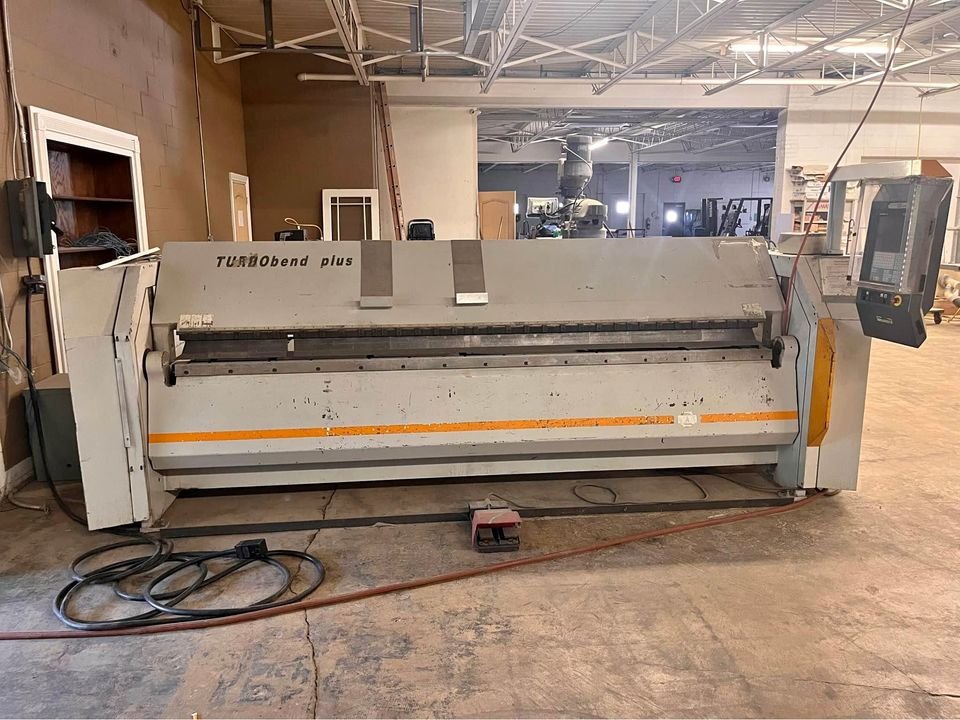
In Stock: A CNC Folder We Know by Heart — 2003 RAS 62.30 TURBObend Plus

2003 RAS 62.30 TURBObend Plus CNC folder

Most used machines come with a story you have to take on faith. This one doesn’t. We sold this 2003 RAS 62.30 TURBObend Plus CNC folder to its owner in 2024, and now it’s back with us on consignment out of Saint John, New Brunswick. We know the machine, we know where it’s been, and we can tell you exactly what it is.

What it is

The TURBObend Plus is a CNC folding machine with a 3,200 mm working length — 10.5 feet — and capacity up to 14 gauge (2 mm) mild steel. That’s real folder territory: long architectural panels, roofing and flashing work, enclosures, and the kind of repeat box and pan work where a folder earns its keep over a press brake. Instead of flipping a long sheet over and over, the folder holds the sheet flat and folds the edge up — faster on big panels, easier on the operator, and easier on finished surfaces.

This machine is equipped with box tooling and a powered backgauge that runs from 10 to 1,550 mm, so repeat parts come off the same way every time. It weighs about 7,700 lb, it has been serviced by RAS, and the factory operator books go with it — that last one matters more than people think on a CNC machine of this vintage.

Why this one is worth a look

First, the history is known. This isn’t a machine pulled out of a closed shop with no paperwork and a “ran when parked” promise. It was our machine to sell in 2024, it went to a working roofing shop, and it’s being sold now as a consignment through us — so questions get answered by people who have actually dealt with this exact folder.

Second, the capability is hard to buy new without spending far more. A comparable new CNC folder is a much bigger cheque. At $64,500 F.O.B. point of origin (Saint John, NB), this one puts 10.5 feet of 14-gauge CNC folding — with box tooling already on it — within reach of a sheet metal, roofing, or plate fabrication shop that needs the length and the repeatability now.

Third, timing. If you’re thinking about a machine purchase before year-end, a used machine like this is exactly the kind of purchase to talk to your tax advisor about while there’s still time to get it bought and placed in service this year — and we work with financing partners if you want to spread the cost instead of tying up cash.

See it before it’s gone

Good used folders in this size don’t sit long, and this one is already listed — call for the full spec sheet, the photos, and the details on rigging and freight from Saint John. If it isn’t the right fit, tell us what you’re folding and we’ll tell you straight whether a folder, a press brake, or something else on our floor is the better answer.

Northern Machinery Sales Inc., 12 John Road Unit F Sutton MA, 508-365-8395 / 508-581-9922

Read More